
Hey everyone! As a seasoned property manager myself, I’ve seen my fair share of headaches and triumphs. There’s truly never a dull moment when you’re juggling tenant requests, maintenance emergencies, and keeping up with the latest rental market trends.
It often feels like you’re playing a constant game of whack-a-mole, doesn’t it? From navigating tricky tenant disputes to staying on top of ever-changing local regulations, the challenges can feel endless.
But what if I told you there are smart, practical ways to turn these common pain points into smooth sailing? I’ve spent years figuring out what works (and what definitely doesn’t!) and believe me, having a solid strategy makes all the difference.
Especially now, with technology rapidly reshaping how we manage properties and tenant expectations at an all-time high, staying ahead of the curve is more crucial than ever.
I’ve personally experienced the relief that comes from implementing effective solutions that not only save time and money but also build stronger, more positive relationships with residents.
In fact, many of the ‘problems’ we face today are opportunities in disguise if we approach them with the right mindset and tools. So, if you’re ready to tackle those common property management woes head-on and discover some game-changing solutions, you’re in the right place.
Let’s dive deep into some actionable advice that will help you master the art of property management and make your life a whole lot easier, shall we?
Navigating the Tricky Waters of Tenant Acquisition and Retention
Honestly, finding the right tenant feels like dating sometimes, doesn’t it? You’re looking for that perfect match who will treat your property like their own, pay on time, and be a pleasure to communicate with. I’ve learned, often the hard way, that rushing this process can lead to serious headaches down the line. It’s not just about filling a vacancy; it’s about safeguarding your investment and creating a stable living environment for everyone involved. I remember one time, early in my career, I was so eager to get a unit rented that I skimped on the background check. Big mistake! It led to months of late payments and eventually, a costly eviction. That experience really hammered home the importance of a rigorous screening process. But beyond just finding them, keeping great tenants happy and engaged is where the real magic happens. A happy tenant is a long-term tenant, and that means less turnover, fewer vacancies, and a more predictable income stream for you.
Crafting an Irresistible Listing and Rigorous Screening Process
When it comes to attracting top-tier tenants, your property listing is your first impression. I’ve found that high-quality photos, detailed descriptions, and even a virtual tour can make a massive difference. Think about what truly makes your property stand out. Is it the natural light, the updated kitchen, or perhaps its proximity to local amenities? Highlight those features! Once the inquiries start rolling in, that’s when your screening process needs to kick into high gear. My advice? Don’t cut corners. Run comprehensive credit checks, verify employment and income, and always, always contact previous landlords. I’ve developed a standardized questionnaire over the years that helps me dig deeper into a candidate’s rental history and personality. It’s surprising what you can learn when you ask the right questions and listen carefully to the answers. Sometimes, a gut feeling combined with solid data is truly the best approach.
Strategies for Cultivating Long-Term Tenant Relationships
Tenant retention isn’t just about avoiding vacancies; it’s about building a community and fostering mutual respect. I’ve personally seen how a little proactive effort goes a long way. Small gestures, like a welcome basket when they move in or a quick check-in call after a maintenance request, can really set a positive tone. Promptly addressing maintenance issues is non-negotiable in my book. Nothing sours a tenant relationship faster than a leaky faucet or a broken AC unit that goes unaddressed for days. I’ve also found that being transparent about policies and maintaining open lines of communication prevents misunderstandings. Consider offering renewal incentives, like a slight rent discount for signing a longer lease, or perhaps a small upgrade to their unit. When tenants feel valued and heard, they’re much more likely to want to stay, and that’s a win-win for everyone.
Taming the Beast of Maintenance and Repairs
Let’s be real, maintenance can feel like a bottomless pit of expenses and unexpected emergencies, right? One minute everything’s fine, the next you’re getting a frantic call about a burst pipe at 3 AM. I’ve been there countless times. It’s a constant battle between proactive measures and reactive fixes, and honestly, finding that balance is key. Over the years, I’ve learned that ignoring small issues only guarantees they’ll become bigger, more expensive problems later. It’s like a tiny crack in a window that eventually becomes a shattered pane if left unattended. My personal philosophy now is to embrace preventative maintenance with open arms. It saves money in the long run and keeps tenants much happier, which is invaluable. Plus, having a reliable team of vendors on speed dial is an absolute lifesaver when those inevitable emergencies pop up. Trust me, you don’t want to be scrambling for a plumber at dawn.
Proactive Preventative Maintenance Schedules
Implementing a solid preventative maintenance schedule has been one of my biggest game-changers. I’m talking about seasonal checks on HVAC systems, inspecting roofs and gutters before winter, testing smoke detectors, and checking plumbing for leaks. It’s not glamorous work, but it catches potential problems before they escalate into full-blown disasters. I typically schedule these checks twice a year, usually in spring and fall, and communicate them clearly with my tenants. This approach not only extends the life of your property’s components but also minimizes those dreaded emergency calls. I once prevented a major mold issue just by regularly checking under sinks and around toilets for small leaks. It was a minor fix then, but imagine the cost and disruption if it had gone unnoticed for months! This proactive stance also shows tenants you care about their living conditions, building trust and good rapport.
Building a Network of Reliable Vendors and Contractors
A property manager is only as good as their vendor network, and I stand by that wholeheartedly. Finding trustworthy, skilled, and reasonably priced contractors for everything from plumbing to landscaping is paramount. It’s not something you can just Google when an emergency hits. I’ve spent years cultivating relationships with various professionals, and I’ve learned a few tricks. Always get multiple bids for bigger jobs, check references religiously, and ensure they’re properly licensed and insured. Transparency in pricing and clear communication are non-negotiables for me. I’ve made the mistake of going with the cheapest option only to have the job redone later, costing more time and money. My advice? Treat your preferred vendors like partners. They’re an extension of your service, and a good relationship means they’ll often prioritize your calls and offer fair rates, especially when you’re in a pinch.
Mastering the Art of Rent Collection and Financial Safeguards
Ah, rent collection – the lifeblood of property management, yet sometimes it feels like pulling teeth, doesn’t it? I’ve had my share of uncomfortable conversations and sleepless nights worrying about overdue payments. It’s a delicate balance between being firm and empathetic, especially when tenants are facing genuine hardship. But at the end of the day, a property needs to be financially viable. Consistent cash flow is what keeps the lights on, pays for maintenance, and ultimately ensures your investment thrives. I’ve learned that clear policies, convenient payment options, and a consistent approach are absolutely crucial. This isn’t just about chasing money; it’s about implementing systems that protect both your financial interests and foster a predictable environment for your tenants. Without a robust system in place, you’re essentially leaving money on the table and opening yourself up to unnecessary stress.
Streamlining Payment Systems and Enforcing Late Policies
In today’s digital age, there’s really no excuse for cumbersome rent collection methods. I’ve personally transitioned all my properties to online payment portals, and it’s been a game-changer. Tenants love the convenience of paying from their phone or computer, and I love the automated tracking and reminders. It significantly reduces late payments and makes reconciliation a breeze. But even with modern systems, late payments can still happen. This is where a clear, consistently enforced late fee policy comes into play. It needs to be outlined in the lease agreement, explained upfront, and applied without exception. I’ve found that being firm but fair from the outset prevents future issues. If a tenant knows the policy will be enforced, they are far more likely to prioritize their rent. Communication is key here; a friendly reminder before rent is due, followed by an immediate notification if it’s late, works wonders.
Budgeting, Expense Tracking, and Maximizing Your ROI
Beyond just collecting rent, understanding your property’s financial health is paramount. I’ve become meticulous about budgeting and tracking every single expense, from a new furnace to a pack of lightbulbs. It’s not just about knowing how much money is coming in; it’s about understanding where it’s going and identifying areas for optimization. I use property management software that allows me to categorize expenses, run reports, and see my profit and loss at a glance. This level of detail empowers me to make informed decisions, whether it’s planning for capital expenditures or negotiating better rates with vendors. Regularly reviewing these financials helps me gauge the true return on investment (ROI) for each property and identify opportunities to increase profitability, perhaps through minor upgrades that justify a slight rent increase or by refinancing. It’s a constant process of optimization.
| Financial Aspect | Best Practices | Benefits |
|---|---|---|
| Rent Collection | Online portals, clear late fee policies, automated reminders. | Reduced late payments, improved cash flow, less administrative burden. |
| Expense Tracking | Categorize all expenses, use property management software, retain receipts. | Accurate financial reporting, tax preparation ease, cost optimization. |
| Budgeting | Annual budget reviews, allocate for CapEx, contingency fund. | Financial stability, preparedness for emergencies, long-term planning. |
Staying Ahead of the Regulatory Curve: Legal Compliance Simplified
If there’s one area of property management that can truly keep you up at night, it’s navigating the labyrinth of legal regulations. Believe me, I’ve been there, stressing over new legislation and wondering if my leases were still compliant. Landlord-tenant laws vary wildly, not just from state to state, but even from city to city. What’s perfectly acceptable in one jurisdiction could land you in hot water in another. This isn’t an area where you can afford to guess or rely on outdated information. Ignorance of the law is never a valid defense, and the penalties for non-compliance can be severe – hefty fines, legal battles, and a tarnished reputation. I’ve made it a personal mission to stay meticulously updated, and I honestly think it’s one of the most crucial aspects of being a responsible and successful property manager. It protects your business, your tenants, and your peace of mind.
Deciphering Local and Federal Landlord-Tenant Laws
The sheer volume of laws impacting landlords can feel overwhelming. From federal fair housing laws like the Fair Housing Act to state-specific eviction processes and local rent control ordinances, there’s a lot to keep track of. My approach has always been to break it down. I subscribe to local landlord associations, legal newsletters, and even set up Google Alerts for keywords like “landlord tenant law [my city/state].” These resources provide invaluable updates and interpretations of new legislation. It’s not about memorizing every single statute, but understanding the core principles and knowing where to find reliable legal advice when you need it. I’ve found that a good real estate attorney who specializes in landlord-tenant law is an indispensable asset. They can review your lease agreements, advise on tricky situations, and essentially be your legal lifeline. Don’t wait until you have a problem to find one!
Ensuring Fair Housing Practices and Preventing Discrimination

Fair housing isn’t just a legal requirement; it’s a fundamental ethical principle that underpins responsible property management. The Fair Housing Act prohibits discrimination based on race, color, national origin, religion, sex (including gender identity and sexual orientation), familial status, and disability. This means every aspect of your operation, from advertising vacancies to tenant screening and even handling complaints, must be free from discriminatory practices. I’ve personally ensured that all my team members undergo regular fair housing training. It’s easy to inadvertently slip up, even with good intentions, so ongoing education is vital. Beyond the legalities, practicing fair housing simply makes good business sense and fosters a more inclusive and trustworthy environment. My advice? Treat every applicant and tenant with respect and apply your policies uniformly. This consistency is your best defense against potential claims and builds a reputation for ethical management.
Building Bridges, Not Walls: Effective Tenant Communication
Effective communication is, without a doubt, the secret sauce to a harmonious landlord-tenant relationship. I’ve personally witnessed how a simple misunderstanding can quickly escalate into a full-blown dispute if not handled with care and clarity. It’s like a telephone game – if the message isn’t clear at the start, it’s bound to get distorted. Conversely, open, honest, and timely communication can defuse tense situations, build trust, and even prevent problems from arising in the first place. I genuinely believe that treating tenants with respect and ensuring they feel heard is just as important as keeping the property in good repair. When tenants feel respected, they are far more likely to communicate issues promptly, pay rent on time, and generally be good stewards of your property. It’s about creating a partnership, not just a transactional relationship.
Establishing Clear Channels and Expectations for Communication
One of the first things I do with new tenants is to clearly outline how and when we prefer to communicate. Do I want texts for urgent issues? Emails for routine questions? Phone calls for serious concerns? Setting these expectations upfront eliminates a lot of confusion. I’ve also implemented a tenant portal where they can submit maintenance requests, view their lease, and access important documents. This centralizes communication and creates a clear record. Promptness is another non-negotiable for me. I aim to respond to all inquiries within 24 hours, even if it’s just to acknowledge receipt and let them know I’m looking into it. Leaving tenants in the dark breeds frustration. I recall a situation where a tenant had a minor issue, but because they couldn’t reach anyone for a few days, their frustration grew disproportionately. That taught me a valuable lesson about the power of a quick, reassuring response.
Resolving Conflicts and Managing Difficult Conversations with Empathy
Let’s be honest, not every conversation is going to be easy. There will be disputes, complaints, and sometimes, outright disagreements. This is where empathy and active listening become your superpowers. Instead of immediately going on the defensive, I try to understand the tenant’s perspective first. “Help me understand what happened here” or “I hear your frustration” can go a long way. My goal is always to find a mutually agreeable solution, rather than just asserting authority. Documenting everything – every phone call, every email, every interaction – is also crucial. It protects both parties and provides a clear record if a dispute escalates. I’ve found that approaching these tough conversations calmly and professionally, focusing on facts rather than emotions, usually leads to a much better outcome. It takes practice, but mastering this skill is invaluable for maintaining positive relationships.
Leveraging Technology to Streamline Your Operations
Gone are the days when property management meant endless stacks of paper, manual ledger entries, and frantic phone calls to coordinate repairs. Technology has revolutionized how we operate, and honestly, embracing it has been one of the smartest decisions I’ve made for my business. It’s not just about shiny new gadgets; it’s about smart tools that automate repetitive tasks, improve communication, enhance efficiency, and ultimately, free up my time to focus on strategic growth and tenant relationships. I remember when I first started, I was doing everything by hand, and it was exhausting and prone to errors. Now, with a few key software solutions, my workload has significantly decreased, and my accuracy has skyrocketed. If you’re not already using technology to your advantage, you’re definitely missing out on a huge opportunity to simplify your life and boost your bottom line.
Implementing Property Management Software Solutions
For me, a robust property management software (PMS) is the cornerstone of efficient operations. It’s not just a fancy tool; it’s a comprehensive platform that handles everything from rent collection and expense tracking to lease management, maintenance requests, and even tenant communication. I personally use a system that allows my tenants to log in, submit work orders, and communicate directly, which saves me countless emails and phone calls. On my end, it automates late fee notifications, generates financial reports, and keeps all tenant and property data neatly organized and accessible. The initial setup can feel a bit daunting, I won’t lie, but the long-term benefits in terms of time saved, reduced errors, and improved organization are absolutely priceless. It’s an investment that pays for itself many times over by making your entire operation run smoother and more professionally.
Exploring Smart Home Technology for Enhanced Property Value
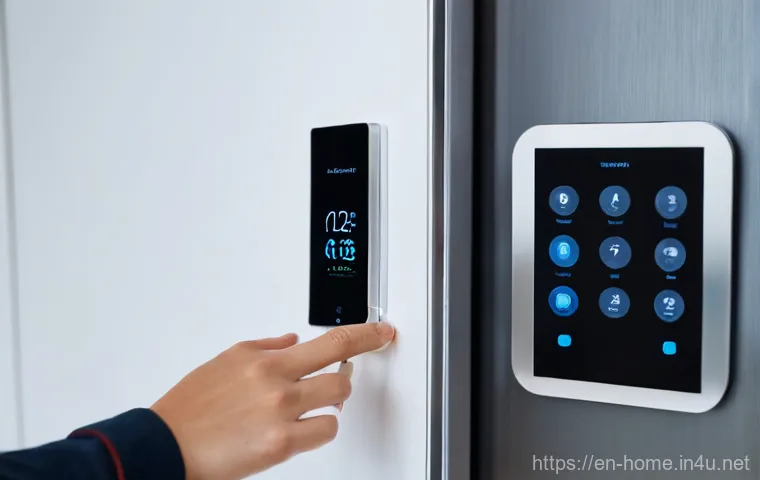
Beyond administrative software, smart home technology is increasingly becoming a powerful tool for property managers looking to add value and appeal to their rentals. Think smart thermostats, keyless entry systems, smart lighting, and even leak detectors. These features aren’t just trendy; they offer tangible benefits for both landlords and tenants. For landlords, they can mean better energy efficiency, enhanced security, and easier remote management. I’ve personally installed smart thermostats in several units, and the ability to monitor and adjust temperatures remotely has saved me a surprising amount on utility costs during vacant periods. For tenants, these features offer convenience, energy savings, and a modern living experience. They can be a significant differentiator in a competitive rental market, attracting high-quality tenants and potentially justifying a slightly higher rent. It’s about leveraging innovation to future-proof your properties.
Wrapping Things Up
Whew, we’ve covered a lot of ground today, haven’t we? From finding those amazing tenants to keeping your property in tip-top shape, managing finances like a pro, staying on the right side of the law, and mastering the art of connecting with your residents, it’s truly a multi-faceted role. I hope my experiences and a few hard-won lessons have given you some fresh perspectives or perhaps just validated what you already suspected. It’s a journey, not a destination, and honestly, every day brings a new challenge and a new opportunity to learn. Remember, successful property management isn’t just about the bricks and mortar; it’s about building relationships, trust, and a thriving community around your investments. It’s definitely a rewarding path, especially when you see your properties flourish and your tenants happy.
Useful Information to Know
1. Always document everything. From lease agreements and communication logs to maintenance requests and financial transactions, a clear paper trail (or digital trail!) is your best friend. It protects you legally and provides clarity in any situation.
2. Network with other property managers. Learning from peers, sharing tips, and even collaborating on vendor recommendations can be incredibly valuable. There’s a whole community out there ready to share insights.
3. Invest in continuous education. Laws change, technology evolves, and tenant expectations shift. Staying informed through workshops, industry publications, or online courses ensures you remain compliant and competitive.
4. Prioritize preventative maintenance. Seriously, this is a game-changer. Addressing small issues before they become major problems saves money, keeps tenants happy, and extends the life of your property’s assets.
5. Build a strong, reliable vendor team. Having trusted plumbers, electricians, and handymen on speed dial will save you immense stress during emergencies and ensure quality work for routine tasks.
Key Takeaways for Success
At the heart of it all, successful property management boils down to a few core principles that I’ve seen play out time and time again. Firstly, it’s about being proactive, not reactive, in every aspect, from maintenance to anticipating market shifts. This mindset prevents costly emergencies and keeps you ahead of the curve, giving you more control and less stress. Secondly, clear and consistent communication is your absolute superpower. It builds trust with tenants and owners alike, diffuses potential conflicts, and ensures everyone is on the same page, fostering a truly harmonious environment. Thirdly, remember that your properties are more than just buildings; they’re homes and investments. This means a strong emphasis on tenant satisfaction and retention is crucial for long-term profitability and minimizing turnover. Happy tenants are loyal tenants, and that’s the best kind of stability you can ask for in this business. Finally, embracing technology and staying legally compliant aren’t just buzzwords; they are non-negotiable foundations for modern property management. Leveraging smart software streamlines your operations, and meticulous adherence to laws protects your assets and reputation. It truly is about blending personal touch with professional systems to create a thriving portfolio.
Frequently Asked Questions (FAQ) 📖
Q: How can property managers effectively navigate those tricky tenant disputes and still keep a good relationship with residents?
A: Oh, this is a classic, isn’t it? I’ve seen more than my fair share of tenant disagreements, from noise complaints that escalate faster than you’d think, to misunderstandings about lease clauses.
My biggest takeaway? It all starts with crystal-clear communication and setting expectations right from the get-go. Think of your lease agreement as your best friend – make sure it’s comprehensive, easy to understand, and covers as many potential issues as possible.
When a dispute does pop up, my first instinct is always to listen. Really listen, not just wait for my turn to talk. Sometimes, a tenant just wants to feel heard.
I remember one time, I had two neighbors almost at each other’s throats over a shared laundry schedule. Instead of just laying down the law, I sat down with both of them, let them vent, and then helped them draft a mutually agreeable schedule.
It took a bit of time, but their relationship improved dramatically, and it saved me a lot more headaches down the line. Always remain neutral, present the facts calmly, and consistently apply your policies.
Document everything, and I mean everything. It protects everyone involved. Trust me, a little empathy combined with firm, fair boundaries goes a long, long way in turning potential conflicts into manageable conversations.
Q: What are your go-to strategies for keeping maintenance costs down while still providing top-notch service to residents?
A: Maintenance can feel like a money pit, right? Especially when unexpected things crop up – and they always do! Over the years, I’ve found that proactive, preventative maintenance is your absolute best friend.
Seriously, don’t wait for something to break. Regular inspections of key systems – HVAC, plumbing, roofing – can catch small issues before they snowball into costly emergencies.
I learned this the hard way after a minor leak turned into a major ceiling repair because we didn’t spot it in time. Now, I have a strict schedule for these checks.
Secondly, building a reliable network of trusted vendors is critical. I’ve spent years cultivating relationships with electricians, plumbers, and handymen who are not only skilled but also fair with their pricing.
I get multiple quotes for bigger jobs, but for routine fixes, I stick with my trusted crew because I know their work and their rates. Also, empowering tenants to handle simple fixes, like changing lightbulbs or resetting a garbage disposal, with clear instructions can save you a service call.
And for everything else, a good property management software can be a game-changer for tracking requests, assigning tasks, and monitoring expenses. It helps you see where your money is going and where you might be able to trim costs without compromising quality.
Q: How do you stay on top of the endless changes in local regulations and housing laws to make sure you’re always compliant?
A: Oh boy, this one feels like trying to hit a moving target sometimes, doesn’t it? The legal landscape for property management is constantly shifting, and staying compliant is non-negotiable if you want to avoid hefty fines and legal battles.
My personal strategy involves a few key habits. First, I’m a big believer in continuous learning. I regularly attend industry webinars, workshops, and conferences.
These events are fantastic for hearing directly from legal experts and getting updates on new legislation. Joining a local or national property management association has been invaluable for me; they often provide members with summaries of new laws and compliance checklists.
Secondly, I subscribe to several industry newsletters and legal alerts. These arrive directly in my inbox, keeping me informed without me having to constantly scour government websites.
I also have a trusted real estate attorney on speed dial – someone who specializes in landlord-tenant law. If I’m ever unsure about a specific situation or a new regulation, I don’t hesitate to consult them.
It’s an investment, but it’s far cheaper than making a costly legal mistake. Lastly, I ensure all my lease agreements and operational procedures are reviewed annually by my attorney to reflect the latest legal requirements.
It might sound like a lot, but staying proactive and informed is the only way to genuinely protect your investments and your peace of mind.